 Skip to content




Autumn and winter storms regularly cause roof damage across Surrey. High winds lift tiles and ridge caps, bring down guttering and loosen chimney pots, and heavy rain finds its way through any gap that is left. If your roof has been damaged, what you do in the first day or two can make a big difference to how much the repair costs and how much damage is done inside your home.
Step 1: Stay safe
Your safety comes first. After a storm:
- Do not go onto the roof or up a ladder. Wet tiles are extremely slippery and the roof may have been weakened.
- Keep away from the area below the damage. Loose tiles, slates and chimney pots can fall without warning.
- Watch out for electrics. If water is coming through near light fittings or sockets, switch off the electricity to that area at the consumer unit if it is safe to do so, and get an electrician to check it.
- Check ceilings. A ceiling that is bulging or sagging with water can collapse. Keep people out of that room.
Step 2: Limit the water damage inside
While you wait for a roofer, there are a few simple things you can do:
- Put buckets or containers under drips and move furniture, rugs and electronics out of the way.
- Lay towels or plastic sheeting to protect floors.
- If it is safe to go into the loft, look for where water is coming in and place a container underneath. Move stored items away from wet areas.
- Do not try to patch the roof from the outside yourself.
Step 3: Record the damage
If you are likely to make an insurance claim, evidence matters. Before anything is moved or repaired:
- Take clear photos and videos of the roof from the ground, including any fallen tiles, slates, guttering or chimney pots.
- Photograph any damage inside, such as water stains, wet insulation and damaged ceilings or belongings.
- Note the date and time the damage happened and keep any weather warnings for that day.
- Keep fallen tiles or slates if you can, as they can help match replacements.
Step 4: Call a roofer for an emergency repair
A roofer will normally do two things. First, make the roof watertight as quickly as possible, usually with temporary sheeting or by refixing loose tiles. Second, come back once the weather allows to carry out the permanent repair.
When you call, it helps to give:
- Your address and a contact number
- What you can see from the ground (missing tiles, ridge, chimney, gutters)
- Whether water is coming in, and where
- Any photos you have taken
After a big storm many roofers are very busy, so make the call early. Be cautious of anyone who knocks on your door uninvited offering to fix the roof for cash on the spot.
Step 5: Contact your insurer
Many home insurance policies cover sudden storm damage, but not damage caused by general wear and tear or poor maintenance. Check your policy and contact your insurer as soon as you can. They may want to send their own assessor, or they may ask you for a quote and photos. Ask your insurer before any permanent work is carried out, but do not delay temporary repairs that stop further damage. Keep receipts for any emergency work.
Common types of storm damage
- Slipped or missing tiles and slates. The most common issue. Older roofs with corroded nails or worn clips are most at risk.
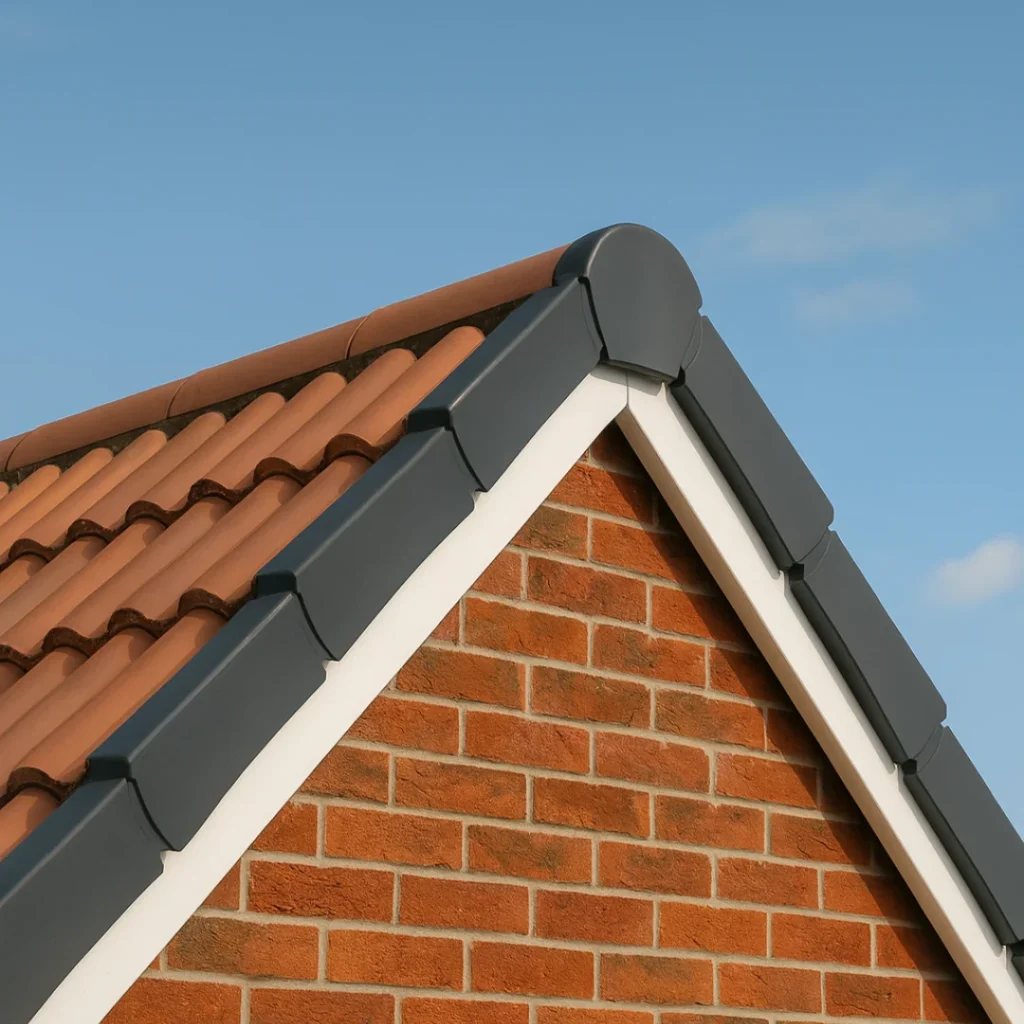
- Loose ridge tiles. Mortar-bedded ridges can crack and lift in high winds. Many homeowners choose a dry ridge and dry verge system when repairing them.
- Chimney damage. Loose pots, cracked flaunching and lifted lead flashing. See our guide to chimney repairs.
- Flat roof damage. Felt can lift at the edges or be torn by debris.
- Gutters and fascias. Wind and debris can pull gutters away from the fascia boards.
Why storms expose existing problems
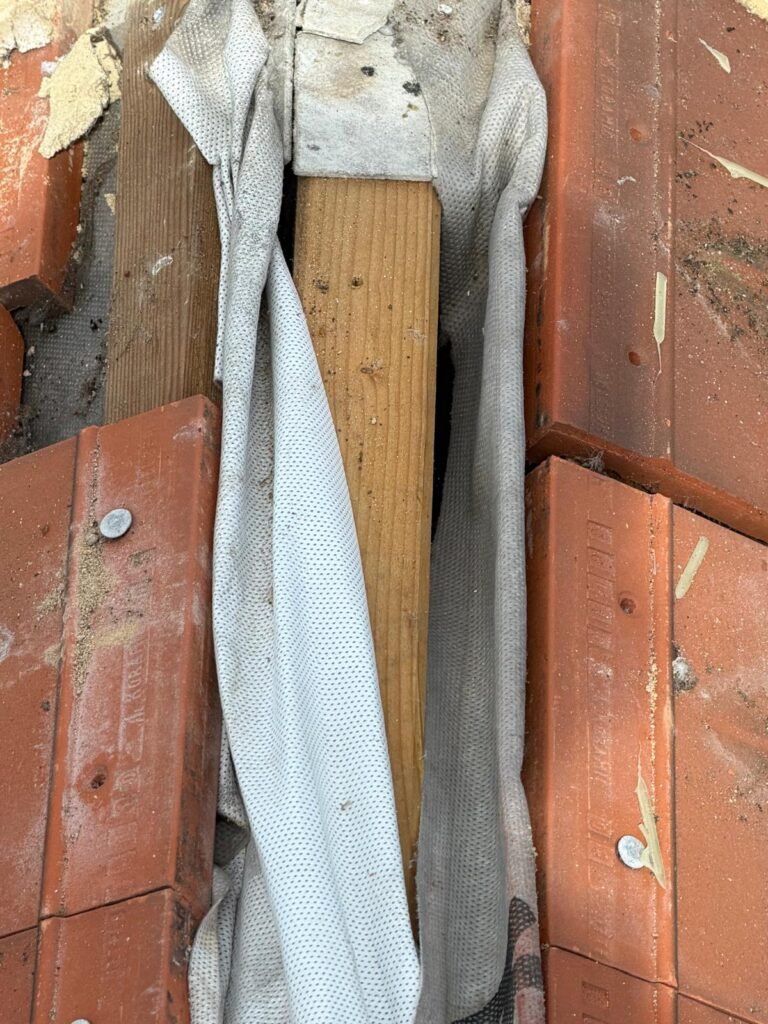
In our experience, many storm repairs are on roofs that already had weaknesses: cracked ridge mortar, worn nails, perished underlay or loose lead. A storm simply finds them. Once the immediate repair is done, it is worth having the rest of the roof checked so you are not caught out by the next one. Regular checks and small repairs, as covered in our article on why regular roof maintenance saves money, are the best protection.
Choosing who repairs your roof
After a storm, insurers and homeowners alike need repairs done quickly, and that is exactly when doorstep traders appear. Use a roofer with a genuine local address and landline, ask for a written quote that sets out the work, and check reviews on independent sites. A reputable roofer will show you photos of the damage, explain what is a temporary repair and what is permanent, and will not ask for full payment up front. If your insurer has a preferred contractor, you can usually still ask for your own roofer to quote, so it is worth checking your policy.
Frequently asked questions
Can a roofer work in bad weather?
Temporary repairs can often be done as long as it is safe. Permanent repairs normally wait until the wind drops and conditions are dry enough to work safely.
Will my insurer pay for the emergency repair?
That depends on your policy. Many insurers expect you to take reasonable steps to prevent further damage, so keep receipts and photos of any temporary work.
How quickly should storm damage be fixed?
As soon as possible. Even a single missing tile can let in enough water to damage insulation, timbers and ceilings within days.
Emergency roof repairs in Surrey
LF Roofing & Driveways provides emergency roofing and roof repairs from our base in Godalming, covering Guildford, Farnham, Godalming and the surrounding areas. Call 07311 065 336.
