 Skip to content
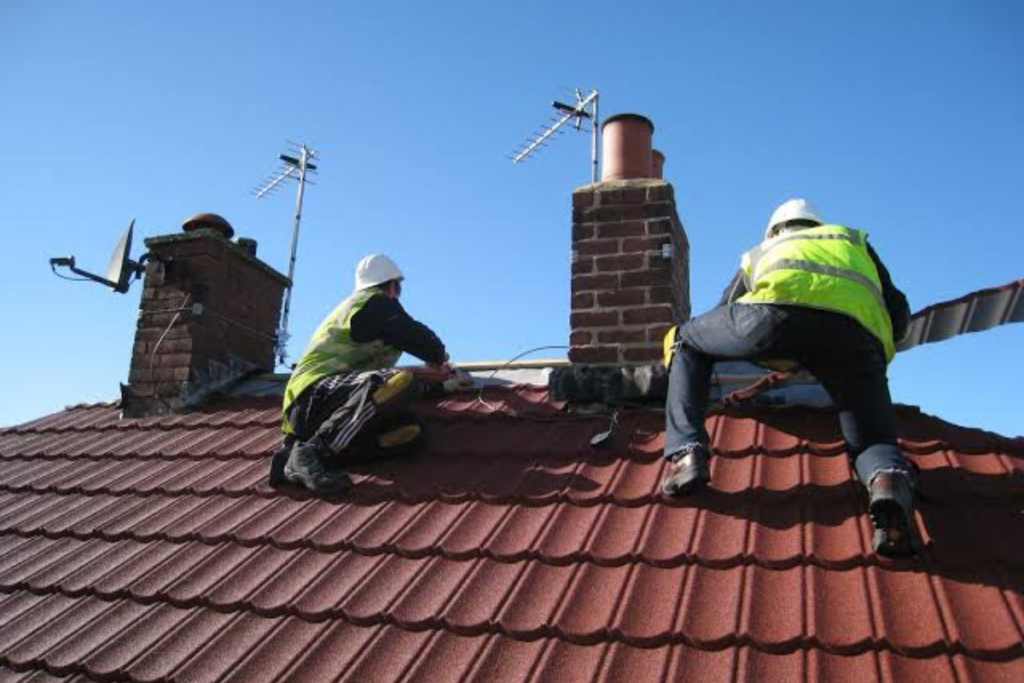

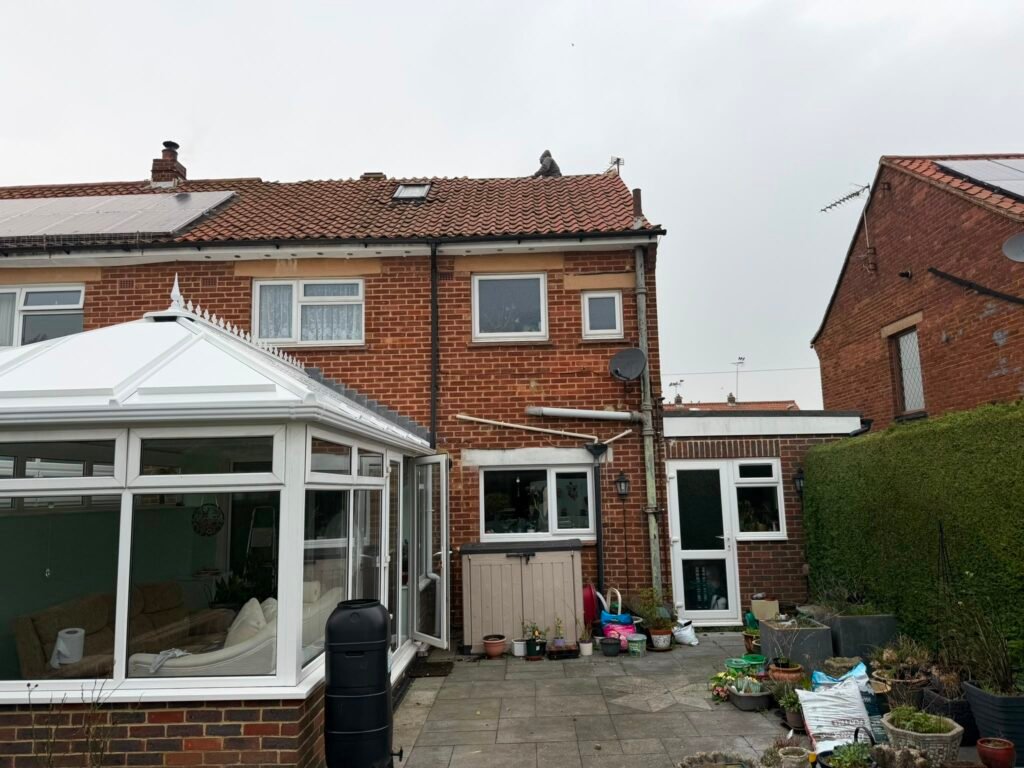

Your roof is exposed to wind, rain, temperature changes and general wear throughout the year. Problems do not always appear as an obvious hole or major leak. In many cases, a roof gives smaller warning signs before the damage becomes more serious.
Knowing what to look for can help homeowners identify potential problems early.
For properties across Surrey, signs such as damaged tiles, water staining, loose ridge tiles, defective flashing and storm damage should not simply be ignored. A relatively small roofing problem can allow water into areas that are difficult to see, potentially causing further deterioration.
Here are some of the most common signs that your roof may need professional attention.
1. Water Stains on Ceilings or Walls
One of the clearest warning signs is a damp or brown stain appearing on an internal ceiling or wall.
This can indicate water ingress from the roof, although the visible stain is not always directly below the source of the leak. Water can travel along roofing components before entering the property.
If staining appears after rainfall, it is worth having the roof inspected rather than simply painting over the affected area.
What should you do?
Look for the source of the water ingress and have the roof checked. Fixing the internal stain without addressing the roofing problem will not solve the underlying issue.
2. Missing or Slipped Roof Tiles
Roof tiles can become cracked, displaced or completely missing due to weather, impact or general deterioration.
A missing tile leaves the roofing system more exposed to rain and wind. Even if there is no obvious leak inside your property, the opening should not be ignored.
After periods of strong weather, it is sensible to check the roof from ground level for obvious changes.
Do not climb onto the roof yourself. Roofing surfaces can be slippery and difficult to assess safely.
3. Cracked or Damaged Tiles
A tile does not have to be completely missing to cause a problem.
Cracks, chips and other visible damage can allow moisture to reach the layers underneath. Individual tiles can sometimes be replaced without requiring a complete roof replacement, depending on the wider condition of the roof.
The important point is to identify damaged areas before water ingress becomes a larger issue.
4. Damaged Roof Flashing
Flashing is used around areas such as chimneys, roof junctions and other vulnerable points to help prevent water from entering the building.
If flashing becomes cracked, loose or defective, leaks can develop even when the main roof covering appears to be in good condition.
Because flashing is often positioned around difficult-to-see areas, a professional inspection may be needed to identify the problem accurately.
5. Loose or Damaged Ridge Tiles
Ridge tiles sit at the highest point of many pitched roofs and are exposed to weather from several directions.
Loose or damaged ridge tiles can become a source of water ingress and may present a safety concern if they become unstable.
LF Roofing & Driveways Ltd provides roof repair and re-roofing services, including ridge tile repairs and associated roofing work.
6. Signs of Storm Damage
Strong winds can affect roofs in several ways.
After severe weather, homeowners may notice:
- Missing tiles
- Slipped tiles
- Damaged flashing
- Loose ridge tiles
- Damaged roofline components
- New leaks
- Debris around the property
Not every problem will be immediately visible from ground level, so if your roof has experienced significant storm damage, an inspection can help identify issues before they develop further.
7. A Sagging Area of the Roof
A visible sag or change in the roof line should be treated seriously.
A sagging area can potentially indicate an issue involving the roof structure or supporting components. It is not something that should simply be covered up or monitored indefinitely.
If you notice an unusual change in the shape of your roof, seek professional advice rather than attempting to investigate it yourself.
8. Persistent Leaks
One leak does not necessarily mean that the entire roof needs replacing.
However, if the same area repeatedly develops water ingress despite previous repairs, it may indicate that the underlying cause has not been properly resolved.
Repeated leaks can also mean that a roof requires a more comprehensive assessment rather than another isolated repair.
9. Damaged or Deteriorating Roof Components
A roof is made up of more than just tiles or slates.
Other components can affect how effectively the system protects your property, including:
- Roof flashing
- Ridge tiles
- Battens
- Roofing membranes
- Valleys
- Gutters
- Chimney areas
- Flat roofing materials
A problem with one component can sometimes affect another, which is why identifying the actual cause is important.
10. Your Roof Is Showing General Wear and Tear
Some roofing problems are simply the result of age and exposure.
If you are regularly noticing damaged tiles, small leaks, deteriorating flashing or other defects, it may be time to have the roof assessed as a whole.
This does not automatically mean you need a new roof. A professional inspection can help determine whether repairs are sufficient or whether more extensive work should be considered.
Can a Roof Leak Be Repaired Without Replacing the Whole Roof?
Yes, in many situations.
A localised leak caused by a broken tile, defective flashing or another isolated problem may be repairable without replacing the entire roof.
The correct solution depends on the cause and the wider condition of the roofing system.
Replacing an entire roof when a straightforward repair is appropriate may be unnecessary. Equally, repeatedly repairing isolated areas of a roof with widespread deterioration may only postpone a larger problem.
What Should You Do If You Notice a Roofing Problem?
Do not wait for a small problem to become a major one.
A sensible approach is to:
- Look for obvious signs from ground level.
- Take note of when the problem occurs, particularly after rain or strong winds.
- Avoid climbing onto the roof.
- Arrange a professional roof inspection if you are concerned.
- Ask what has caused the problem and what repair options are available.
- Make sure the quotation clearly explains the proposed work.
FAQs
How do I know if my roof needs repairing?
Common warning signs include leaks, damp patches, missing or cracked tiles, damaged flashing, loose ridge tiles, storm damage and visible deterioration.
Does a leaking roof always need replacing?
No. A localised leak can often be repaired without replacing the entire roof. The appropriate solution depends on the cause and condition of the roof.
Can missing roof tiles cause leaks?
Yes. Missing or displaced tiles can leave areas of the roofing system exposed to rain and should be assessed promptly.
Should I inspect my roof after a storm?
It is sensible to check for obvious signs of damage from a safe position on the ground. If you notice missing tiles, debris, leaks or other concerns, arrange a professional inspection.
How long does a roof repair take?
The time depends on the type and extent of the problem. Some localised repairs may be completed quickly, while larger or more complex work can take longer.
Final Thoughts
Roof problems are often easier to deal with when they are identified early. A missing tile, damaged flashing or small leak may seem insignificant, but ignoring it can allow water to enter the property and create additional problems.
If you notice warning signs, the important question is not simply whether your roof looks old. It is what has caused the problem and how extensive is the damage?
LF Roofing & Driveways Ltd provides roof repairs, re-roofing, new roof installation, flat roofing, emergency roofing and other roofing services across Surrey.
A professional inspection can help you understand the condition of your roof and whether a repair or more extensive work is appropriate.
